
Together with

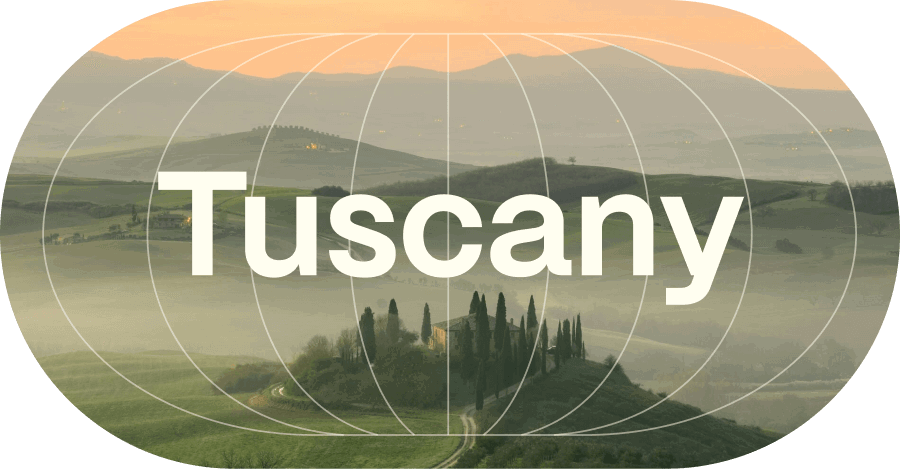
Where medieval towns perch on hilltops, the wine is some of the best in the world, and the art’s so beautiful it may make you dizzy...
Rolling hills dotted with sunflower fields, country roads lined with cypress trees, vineyards producing some of Italy’s most prized wines, medieval villages, and Renaissance monuments—chances are these are some of the things that come to mind when you think about Tuscany. The central Italian region, which stretches over an area of 8,877 square miles, has all that and more.
The history of Tuscany pre-dates the Roman Empire. It was settled by the Etruscans (the region’s name derives from them) around 1,000 BCE, came under Roman rule in the 3rd century CE, and became a duchy in the 6th century CE.
Over the centuries, the region has been ruled by a number of aristocratic families, the most important being the Medici family. Today, Tuscany’s rich history can still be felt in the cities and small towns, where locals hold tight to traditions in food, art, and festivals.

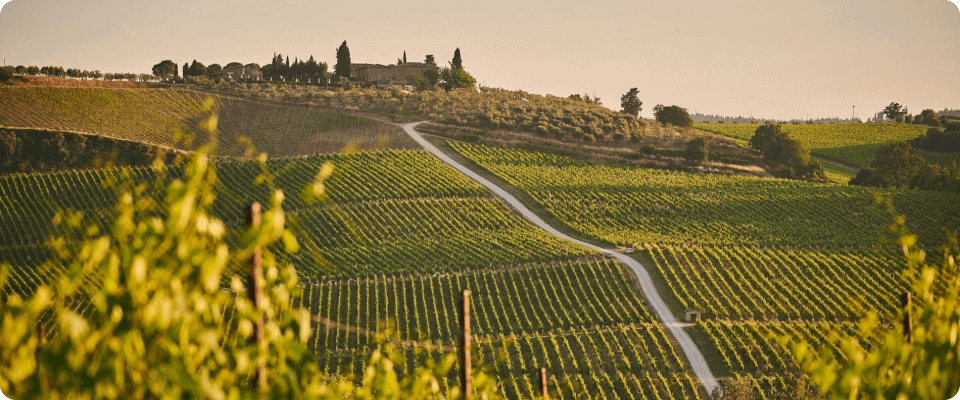
In vino veritas
Tuscany’s wine-making tradition dates back to the Etruscans, who cultivated the vines and drank wine flavored with spices and flowers. Though you won’t find Etruscan winemakers anymore, some of Tuscany’s most established wineries, like Frescobaldi and Antinori, trace their roots back 700 years.
Tuscan wine is now renowned around the world, thanks in part to its long history and a number of innovations in the 19th and 20th centuries that improved the quality of the wines. The region is most famous for its reds, like Brunello di Montalcino, Nobile di Montepulciano, Chianti Classico, and Super Tuscans, but whites like Vernaccia di San Gimignano are worth trying, too.
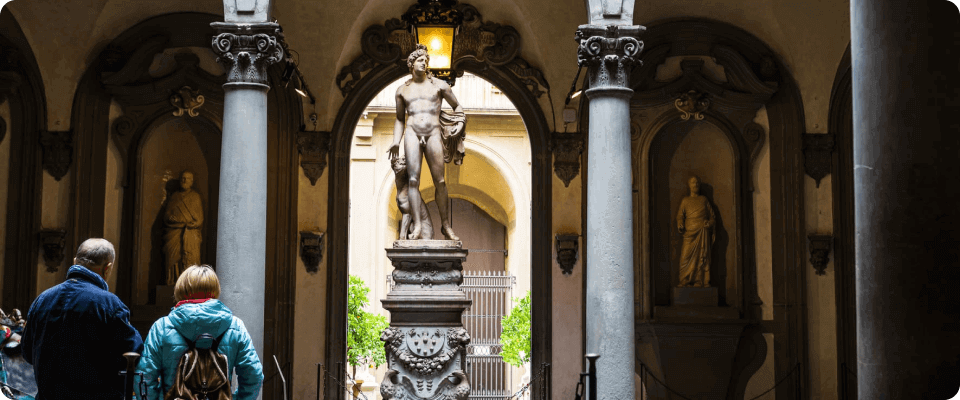
Renaissance treasures
From roughly 1400–1527, everyone who was anyone in the world of European art and culture passed through Florence. Leonardo da Vinci, Botticelli, Michelangelo, and Raphael all worked there, commissioned by popes and wealthy families like the Medicis. Their masterpieces now reside in churches, palaces, and museums like the Uffizi Gallery and the Accademia Gallery.
Aside from admiring their works, intrepid travelers can take an off-the-beaten-path excursion to see the quarries of Carrara, where Michelangelo sourced his preferred marble.

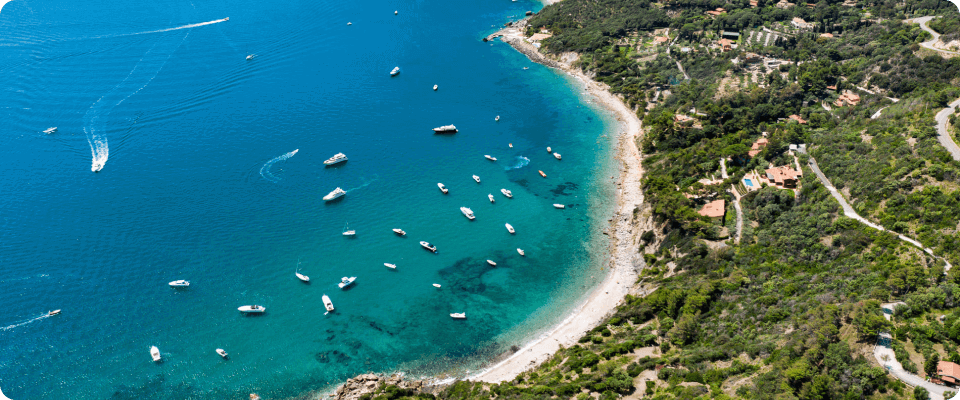
Not all rolling hills and medieval towns
Think of postcard-perfect Tuscany and the image that comes to mind is likely rolling hills dotted with cypress trees, but Tuscany also has 310 miles of coastline and some of the clearest water in Italy. In fact, Tuscany boasts 19 blue flag beaches, a distinction awarded to the most pristine beaches in the world.
It would take months (or years!) to explore all of Tuscany's beaches, but a good place to start is in Maremma, the rugged coastal region that's home to the charming town of Capalbio, and Argentario, where you'll find the beautiful Porto Ercole and Porto Santo Stefano. You'll find sandy beaches with chic beach clubs, rocky coves with crystalline water, and everything in between.
It’s also a good jumping-off point to visit islands like Elba (where Napoleon was first exiled), Capraia, and Pianosa.
Read more
Tuscany’s 400-year-old horse race
Tuscany on the page
Where to soak in mineral-rich hot springs
Good to know
💰 Budget: $$$$$
✈️ Main airport: FLR
📆 When to go: Apr-June, Sept-Nov
👨👩👧👦 Family friendly: ★★★☆☆
🚌 Public transportation: ★★★☆☆
📖 English speaking: ★★★☆☆
🗣️ Main language(s): Italian
🌏 Global Peace Index rank: #34 in the world

With expert:

Laura is an American journalist based in Rome. She first visited Tuscany in 2008 and has since visited over a dozen cities and towns throughout the region, from the coastal Maremma to the vineyards of Montalcino.
Share with a fellow travel lover by forwarding to a friend.


